

The most important economic decision the Federal Reserve makes is whether to hold, raise, or lower interest rates.
Over the past few months, we have seen direct tension between President Donald Trump and Fed Chair Jerome Powell over whether rates should be cut.
Last week, Powell announced a unanimous vote to keep rates steady between 3.5% and 3.75%, while signaling a possible cut later this year:
“The forecast is that we will be making progress on inflation, not as much as we had hoped, but some progress.”
Powell’s term as Fed Chair ends this May, though he has stated he will remain in his role until Fed Chair nominee, Kevin Warsh is confirmed. Powell’s term on the Board of Governors runs through 2028, though he has indicated he will not step down until the ongoing Justice Department probe is resolved.
This tension is not new. It is rooted in how the role of the Fed Chair and the Federal Reserve was designed.
The History of the Chair of the Federal Reserve
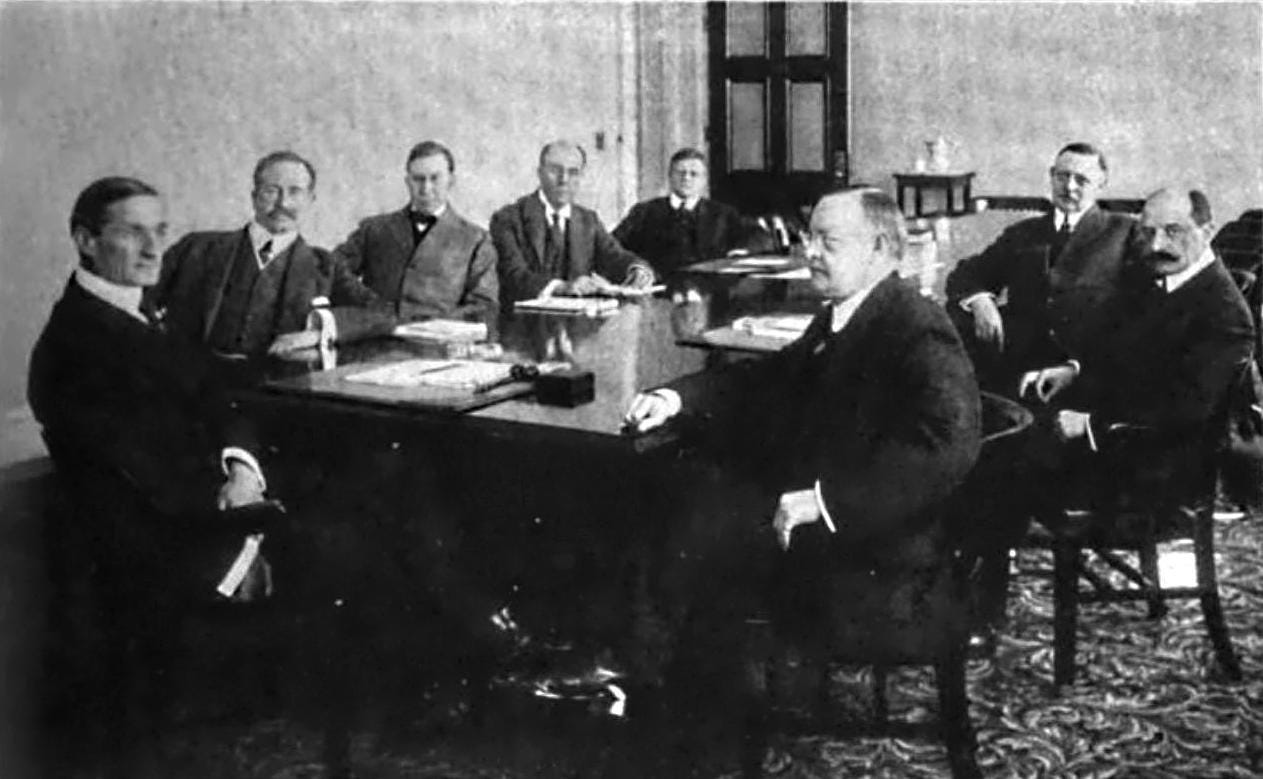

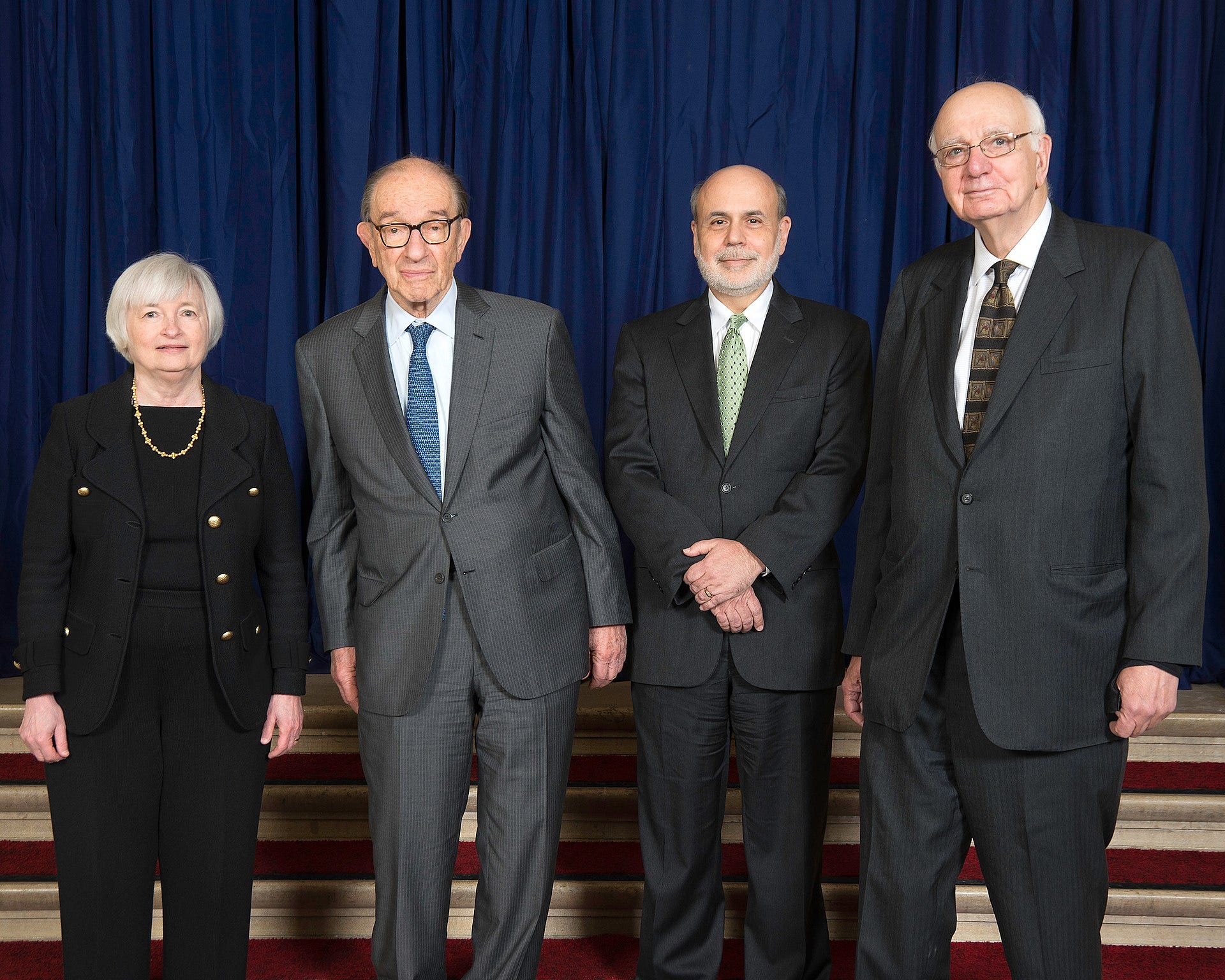
The role of the Fed Chair was established by the Banking Act of 1935. Since then, there have been 10 chairs. Most had prior government experience, and many served within the Federal Reserve system before being appointed. The position was designed to centralize authority and strengthen the Fed’s ability to respond to economic crises.
The Chair serves a four-year term, while members of the Board of Governors serve staggered 14-year terms. This structure is specifically designed to insulate monetary policy from short-term political pressure.
The Chair’s responsibility is to the public, not the president.
.jpg)
Disputes over rates are common and historically consistent. They reflect the tension between political pressure and economic judgment. While the President appoints the Chair, monetary policy decisions are made by the Federal Open Market Committee, reinforcing the system’s independence.
To understand today’s environment, it is useful to look at historical President and Fed Chair relationships that illustrate the Chair’s recurring challenge of balancing political pressure with economic reality.
President Richard Nixon and Former Chair Arthur Burns
“I respect his independence,” President Richard Nixon said. “However, I hope that independently he will conclude that my views are the ones that should be followed.”
As Nixon prepared for re-election in 1972, he pushed Federal Reserve Chair Arthur Burns to keep rates low to support economic growth. Burns ultimately eased policy, resulting in short-term economic strength but contributing to the high inflation of the 1970s.
Behind the scenes, pressure from Nixon and his cabinet was persistent.
Nixon and his advisors made clear they believed tighter policy would risk both the economy and the election. Burns faced a difficult choice between institutional independence and political reality. Policy remained loose longer than it otherwise might have. Inflation began to build even as unemployment improved, setting up the stagflation that defined the decade. The episode is often cited as a clear case of political influence shaping monetary policy outcomes.
President Jimmy Carter and Former Chair G. William Miller
President Jimmy Carter appointed G. William Miller, who was widely seen as too cautious on inflation, laid-back, and dovish.
Miller served only 17 months before being replaced, amid oil price shocks, weak policy credibility, and broader economic instability. The episode reinforced the cost of a Fed perceived as too aligned with the White House.
Markets questioned whether the Fed would act forcefully enough to contain inflation, and Miller was reluctant to tighten aggressively, allowing inflation expectations to continue rising. The lack of decisive action eroded confidence in the central bank.
Carter ultimately moved Miller to the Treasury, replacing Richard Blumenthal, and replaced him as Chair with Paul Volcker during Carter’s “cabinet crisis”. This marked a clear shift toward restoring credibility and independence in monetary policy.
President Ronald Reagan and Former Chair Paul Volcker
President Ronald Reagan inherited Paul Volcker from Carter, who had already begun aggressively raising rates to fight inflation.
The policy triggered a deep recession but ultimately reduced inflation from a record high in 1980. Reagan publicly supported Volcker despite the political risk, demonstrating that central bank independence can involve short-term economic pain in pursuit of long-term stability.
The pattern is clear. Presidents want growth. The Fed is tasked with stability. The tension between the two is not a flaw. It is by design.
The Atlas View
At Atlas Analytics, our position is clear.
In an environment of accelerating growth and persistent inflation risk, interest rates should be higher, and policy should remain firmly insulated from political pressure.
Supporting Federal Reserve independence today is not about personalities. It is about preserving the institutional framework that made long-run American prosperity possible.
At Atlas Analytics, we use satellite-derived GDP nowcasting and proprietary AI models to help investors anticipate policy inflection points before markets price them in. If you want to trade this thesis or stress-test it against your own views, we welcome the conversation.
This article was written with valuable research assistance from Morgan Reppert, Executive Operations Associate for Atlas Analytics.